Metadata and Databases - Caden
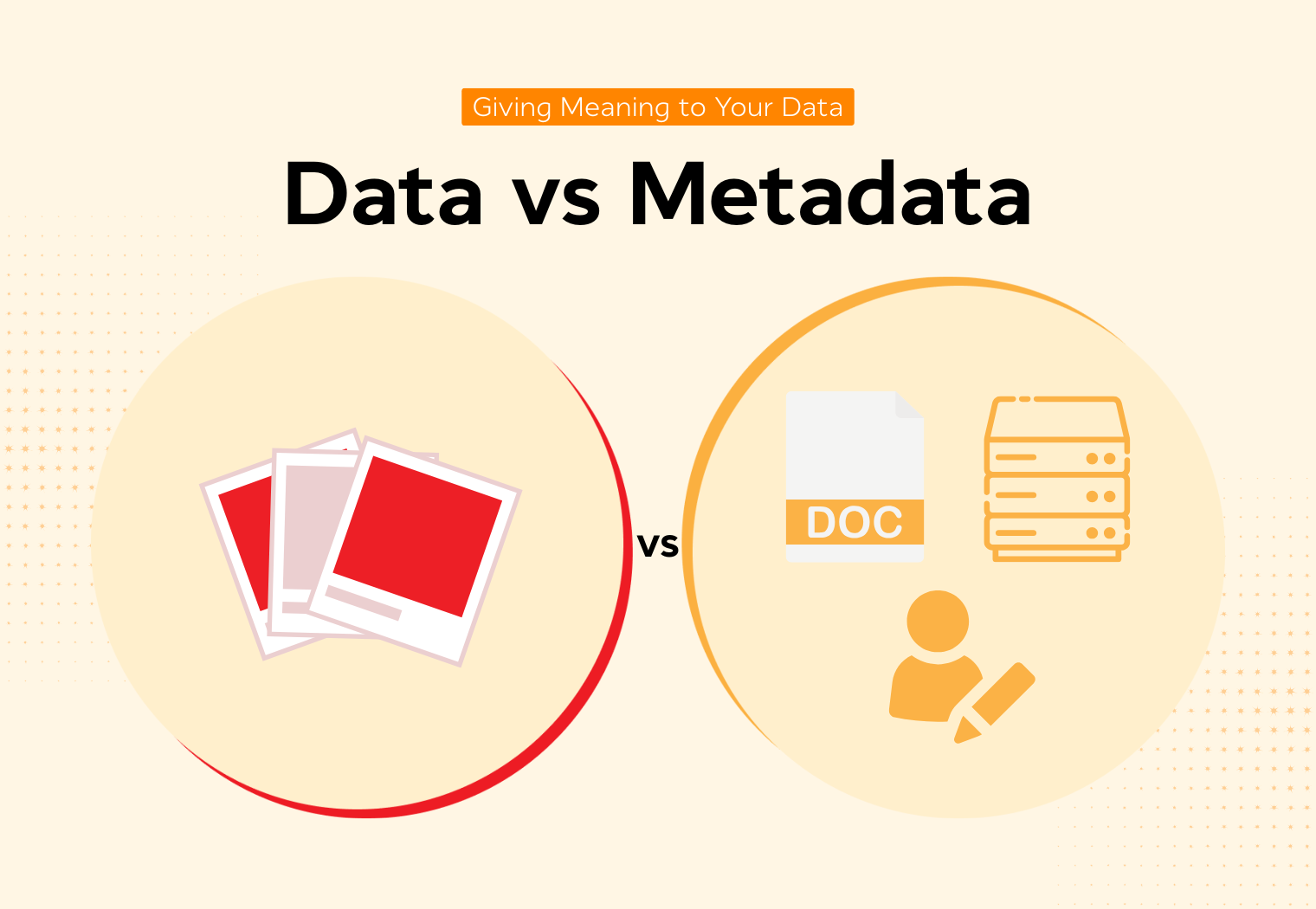
Chapters 4 and 5 of The Digital Humanities Coursebook helped me see how much planning goes into making information in a humanities project. Before reading these chapters I knew metadata was "data about data". I did not fully understand how crucial it is for making digital information searchable, clear, and easy to use. Metadata can tell us who made something, when it was made, what it is, where it came from, or even what topics it connects to. Markup helps organize information by marking parts of a text or digital object so that a computer can recognize them and work with them. In this way metadata and markup turn information into something that can be studied systematically or just being a page on the web.
I now see databases as collections of data that let users store, link, search, and find information easily. Databases are powerful because they show connections between pieces of data. For example, listing historical objects, a database can link each object to its creator, date, location, description and other related items. Chapter 5 showed me that designing a database is not about filling tables with data. It requires choices about which information matters and how different elements should connect to one another.
These ideas fit into my growing understanding of Digital Humanities. They highlight that DH is more than moving humanities research onto the web. There’s a lot of behind-the-scenes effort involved in organizing, connecting, and structuring information in ways that allow researchers and audiences to interact with it differently. Metadata, markup, and databases are all examples of how technology changes how humanities information is presented and explored.
These concepts are important for my DH project because my project on American Panorama is one large supply of metadata and databases. For example, the map of “The Executive Abroad” shows users where presidents and secretaries of state have traveled dating back to Theodore Roosavelt’s presidency. Thinking about metadata and database design makes me think carefully about what information to include, how to classify it, and what insights users can gain from those categories.
I also believe these ideas will become especially relevant during our upcoming curation work with the UNH Library and the UNH Art Department. If we are digitizing or curating objects, metadata will be essential to describe and organize those items. A database can then connect the objects and let users search or explore the collection.



Hi! I also am beginning to realize how much happens in the background when we move things from "humanities" into a "digital world". There are many working parts that involve different practices and make it nearly possible (or extremely difficult) for a DH project like yours to be completed alone. Even on a small scale, the organization and planning that must happen before a project gets going requires knowledge in many specialized areas that would be incredibly demanding of one person.
ReplyDelete